
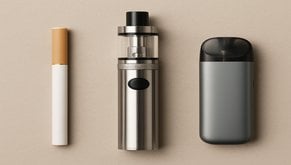
How e-cigarettes evolved from cigalikes to modern pod systems
E-cigarettes have undergone significant technological development since they were first introduced. From simple, cigarette-like devices to today’s more advanced pod systems, the development has been driven by improvements in battery technology, materials, electronics, and design. Here is an overview of how this change has taken place and which technical steps have led to today’s designs.
1. Cigalikes – first-generation e-cigarettes
The first commercial e-cigarettes were often called cigalikes because of their similarity to traditional cigarettes in both shape and size. The construction was simple: a small battery, a pre-filled cartridge, and automatic draw detection.
Technical characteristics:
- Small batteries with limited capacity
- Cartridges combining the coil and e-liquid
- Simple electronics without settings
- Short operating time between charges
Cigalikes laid the foundation for how e-cigarettes work but had limited flexibility due to the size of the battery and the absence of replaceable components.
2. Second generation – pen-shaped e-cigarettes
The next step in development was the so-called vape pens. These had larger batteries and separate tanks that could be filled manually. The design enabled more coil types and better control over the device. Examples of coils used in modern systems can be found here: coils.
Technical improvements:
- Larger battery capacity
- Replaceable coils
- Clearomizers with a visible e-liquid level
- Possibility of adjustable airflow in some models
3. Third generation – mods and advanced systems
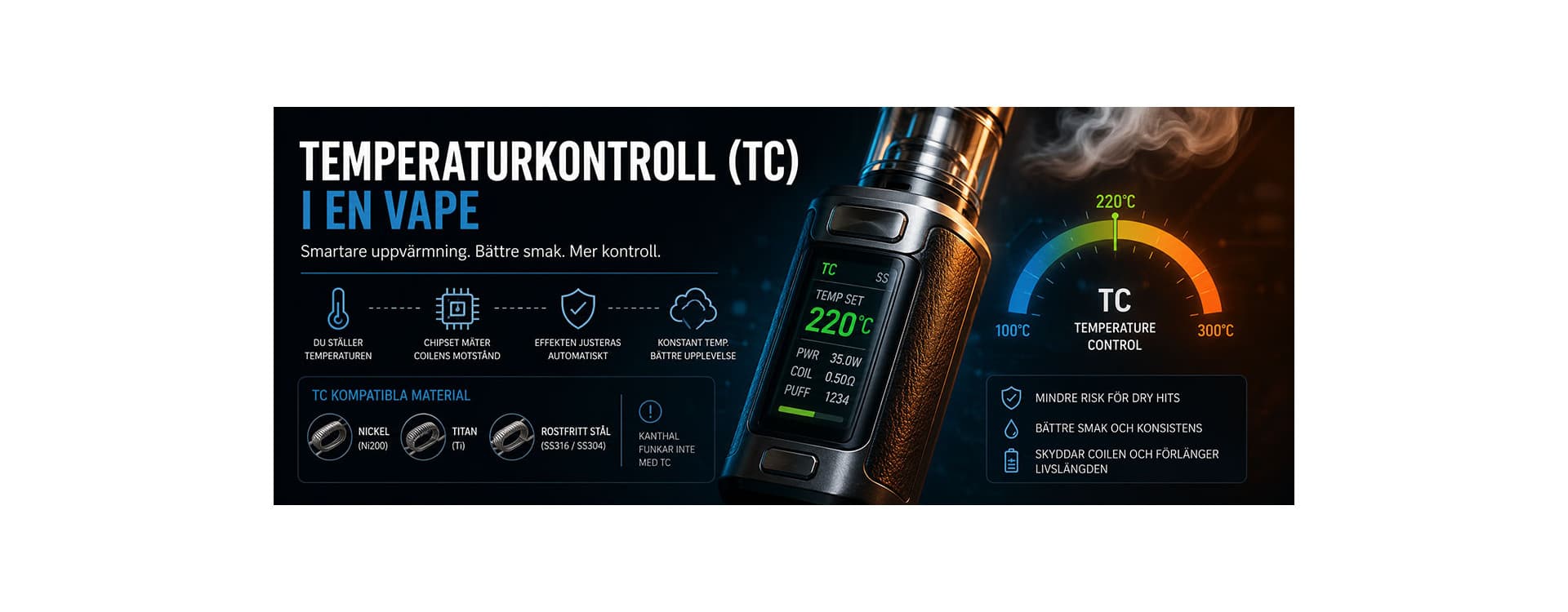
When adjustable mods were introduced, the technological landscape of e-cigarettes changed. Among other things, they offered variable wattage, temperature control, and replaceable batteries.
Technical highlights:
- Circuit boards that regulate output voltage and temperature
- Ability to adjust power according to coil resistance
- Batteries in standardized formats such as 18650 and 21700
- More powerful tanks with larger e-liquid capacity
4. The transition to modern pod systems
Today, pod systems are one of the more advanced forms of e-cigarettes. They combine a relatively simple design with modern electronics and optimized battery management. Technological advances have made it possible to create small devices with stable operation and improved sensors.
Examples of modern pod systems include: Vaporesso Vibe SE Pod Vape Kit and Vaporesso Vibe Pod Vape Kit.
Characteristics of modern pod systems:
- Compact battery units with efficient power management
- Pods with built-in coils or replaceable inserts
- Automatic draw detection with improved sensors
- USB-C charging and, in some cases, fast charging
- Designs that can reduce the risk of leakage
5. Driving forces behind the development
The development from cigalikes to pod systems has largely been driven by technological improvements and the demand for stable, energy-efficient solutions.
Some recurring driving forces:
- More energy-efficient batteries
- Stable and consistent performance
- Simplified construction to reduce wear
- Standardization of charging ports and coil technology
6. The development in brief
From the simple design of cigalikes to the more advanced electronics of pod systems, e-cigarettes have passed through several technological stages. Each generation has contributed improvements in battery technology, coil construction, and electronics. Today’s pod systems can be seen as the result of this development, combining functionality and compact design with modern technological control.